
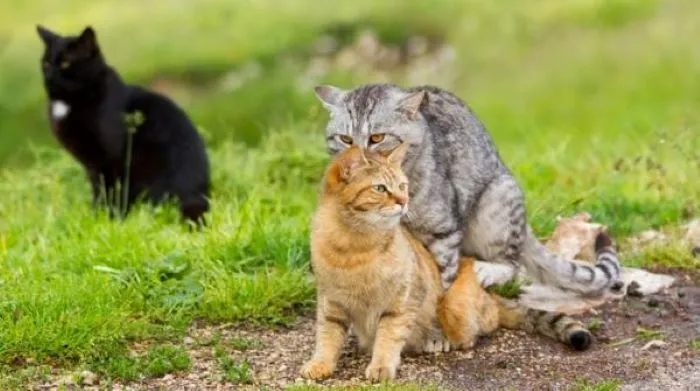
If you own a cat, you may have questioned if neutering them will change the way they mate.
Male and female cats‘ reproductive organs are surgically removed during neutering to stop them from having children.
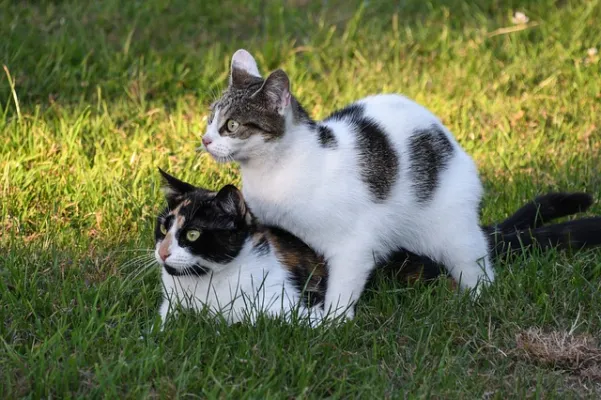
Does it, however, also prevent them from displaying curiosity about other cats or humming? This post will address frequently asked issues concerning cat neutering and mating as well as offer advice on how to handle undesirable habits.
What is Neutering and How Does It Affect Cats?
Although the phrase “neutering” can be applied to both male and female cats, it is more frequently used to refer to the former. Spaying is the similar phrase for ladies.
Male cats’ testicles are removed during neutering, whereas female cats’ ovaries and uterus are removed during spaying.
Both operations need a few days to a week of recovery time and are performed under general anesthesia.
- Cats and their owners can benefit much from neutering, including:
- lowering the chance of developing specific illnesses, including cancer, infections, and urological issues.
- reducing male cats’ territoriality and aggressiveness, which reduces their propensity to fight, urinate, or wander outside.
- preventing unintended births and lowering the number of feral and stray cats in the area.
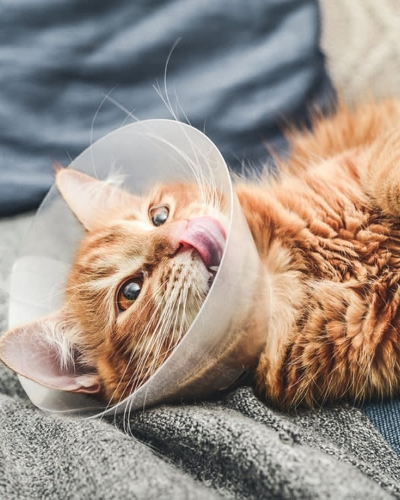
Cat hormones are influenced by neutering and are involved in mating behavior. The production of testosterone by male cats increases their hostility and sexual urge.
Cat females generate estrogen, which starts their ovulation and heat cycles. Cats’ mating habits alter as a result of neutering, which reduces or removed these hormones.
Why Do Some Neutered Cats Still Show Mating Behavior?
Cats retain their instincts and memories even after neutering, even if the chemicals that affect mating behavior are reduced or eliminated. For a variety of reasons, some neutered cats could nonetheless be curious about other cats or hump them. These explanations include:
- Habit: Certain cats may have developed the ability to link specific stimuli or circumstances—like the smell, sound, or sight of another cat—with the mating process. It’s also possible that they picked up the practice of humming things or individuals to comfort themselves or show affection.
- Dominance: Some cats may hump to demonstrate their superiority over people or other cats. Male cats with a history of fighting or those who were spayed later in life are more likely to experience this.
- Play: Some cats like to play with other cats or people by humming. This is particularly typical among younger or hyperactive cats who want to chase or roughhouse.
- Attention: Some cats may hump to attract their owners’ or other people’s attention. Cats who are lonely or bored and yearn for company or excitement are more likely to experience this.
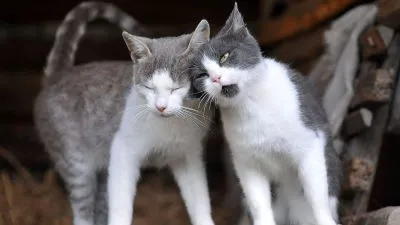
How to Prevent or Reduce Humping in Neutered Cats?
Neutered cats are generally safe to hump in; neither they nor their mates are physically harmed. For some owners, though, it may be bothersome or humiliating, particularly if it occurs in front of visitors or other strangers.
For certain cats, being humped by someone else can also be upsetting or uncomfortable. Here are some suggestions to help avoid or lessen humping in your neutered cat:
- As soon as possible, spay or neuter your cat; this will reduce the likelihood that it will acquire mating habits or behaviors. When your cat is between 4 and 6 months old, the majority of vets advise spaying or neutering them.
- Give your cat enough toys and activities to keep them occupied. Boredom and loneliness can lead to humping behavior in cats, so keep them active and engaged.
- To keep them engaged, you may provide them a variety of toys, puzzles, tunnels, scratching posts, and other items, and you can change them frequently.
- To encourage your cat’s hunting instincts and help them release extra energy, you may play with them every day with interactive toys like balls, feathers, and lasers.
- Reward your cat for excellent conduct: Giving your cat praise for good behavior helps encourage good behavior in them and discourage bad behavior. Instead of humping, you may praise your cat for being quiet and comfortable with food, toys, caressing, etc.
- Try using a toy, a loud noise, or a water spray to divert your cat’s attention if they begin to hump a person, another cat, or an item.
- Give them something else to do, like play or grooming, and take them away from the cause of their excitement.
Your cat’s behavior may deteriorate and they may become afraid or aggressive if you chastise or reprimand them. - Speak with your veterinarian: See your veterinarian for guidance if your cat’s humming habit is extreme, ongoing, or causing issues for them or others.
- They can examine your cat for any illnesses, such as infections or tumors, that might be influencing their hormones or behavior.
Benefits of Neutering Your Cat for Their Health and Well-Being
In addition to decreasing the number of stray and feral cats and preventing unintended pregnancies, neutering your cat will enhance its health and general wellbeing. The following are some advantages of neutering your cat:
- Decreased risk of certain diseases: Having your cat neutered can help reduce their chance of contracting infections, cancer, and urinary tract issues, among other ailments linked to their reproductive system.
- For instance, spaying female cats helps prevent ovarian cancer and uterine infections, while neutering male cats can prevent testicular cancer and prostate issues.
- By having your cat neutered, you can also lower your cat’s risk of catching STDs that can spread through cat breeding.
- Neutering your cat will improve its overall health and well-being in addition to reducing the number of stray and feral cats and avoiding unwanted pregnancies.
- Reduced risk of certain diseases: Among other conditions relating to their reproductive system, having your cat neutered can help lower their chances of acquiring infections, cancer, and urinary tract problems
- For example, neutering male cats can prevent testicular cancer and prostate problems, while spaying female cats can help avoid ovarian cancer and uterine infections. Another way to reduce your cat’s chance of contracting an STD that can spread through cat breeding is to neuter your cat.
Common Myths and Misconceptions About Neutering Cats
Despite the many advantages of neutering cats, some individuals can still be hesitant or uneasy about it because of certain persistent myths and misunderstandings. The underlying truths of some of the more popular ones are as follows:
- Myth: My cat will become lanky and obese after neutering.
Realization: Cat neutering does not immediately result in weight gain or indolence. But cats that have had their metabolisms and appetites altered by neutering may become more prone to overeating and underexercising. After neutering your cat, you should keep an eye on their food intake and activity level and make necessary adjustments to keep them at their ideal weight and health in order to avoid this.
- Myth: My cat will suffer harm or difficulties after neutering.
Truth: Under general anesthesia, skilled veterinarians execute the safe and standard operation of neutering. If you adhere to your veterinarian’s pre- and post-operative instructions, the chances of problems are quite minimal. After being neutered, the majority of cats heal fast and don’t feel too much pain or discomfort. Keep an eye out for any indications from your cat.
FAQS
Can neutered cats still mate?
No, neutered cats cannot mate. Neutering is a surgical procedure that removes a cat’s reproductive organs, preventing them from mating and reproducing. Neutering eliminates the cat’s ability to engage in mating behaviors and prevents unwanted litters of kittens.
Will neutering my cat completely eliminate its desire to mate?
Neutering significantly reduces a cat’s mating instincts and behaviors. While some cats may still exhibit mild mating behaviors after being neutered, such as spraying or yowling, these behaviors are usually diminished and become less frequent over time. Neutering helps in curbing the majority of mating-related behaviors.
At what age should I neuter my cat to prevent mating behaviors?
Cats can reach sexual maturity as early as 4-6 months of age. It is recommended to neuter cats before they reach this age to prevent the development of mating behaviors and to control the pet population. Many veterinarians suggest neutering cats between the ages of 4 to 6 months, but it’s best to consult with your veterinarian to determine the appropriate timing for your cat.
Can neutering my cat prevent certain health problems related to mating?
Yes, neutering can prevent several health problems related to mating, such as certain types of cancers and infections of the reproductive organs. Neutering also helps in reducing the risk of injuries and diseases that cats can contract through mating, such as feline immunodeficiency virus (FIV) and feline leukemia virus (FeLV). Neutering promotes a healthier and longer life for your cat.
Can a neutered male cat still impregnate a female cat?
No, a neutered male cat cannot impregnate a female cat. Neutering involves the removal of the testicles, which are responsible for producing sperm. Without sperm, a male cat is unable to fertilize a female cat’s eggs, making it impossible for him to father kittens. Neutering is a highly effective method of preventing unwanted pregnancies.
Conclusion
neutering is a crucial procedure that helps control the pet population, eliminates mating behaviors, and promotes the overall health and well-being of cats. By removing a cat’s ability to reproduce, neutering prevents unwanted litters of kittens, reduces the risk of certain health problems related to mating, and contributes to a longer and healthier life for the animal. Neutering also curbs mating-related behaviors, making cats more content and better companions for their owners. It is important for cat owners to consult with their veterinarians to determine the appropriate age and timing for neutering their pets, ensuring a responsible approach to cat care and population control.
Originally posted on May 11, 2026 @ 1:56 pm