
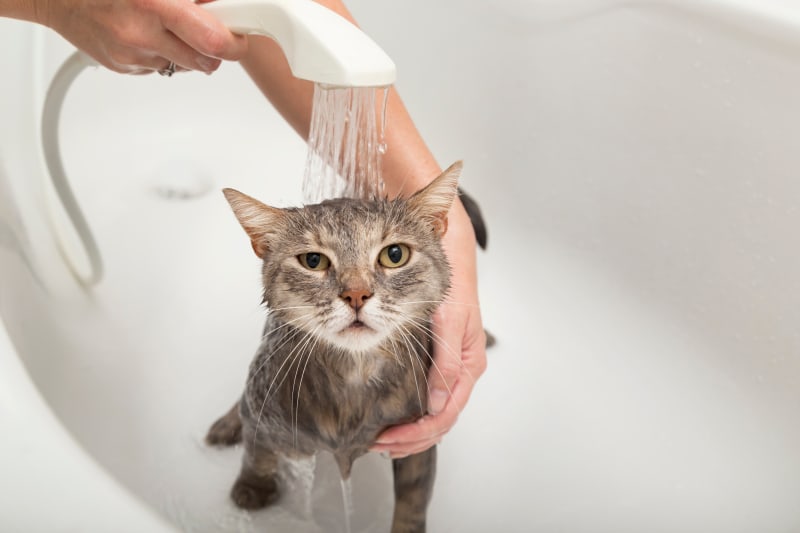
Cats are well-known for their grooming habits. They keep themselves clean and neat by using their tongues, teeth, and paws.
However, they may require some additional assistance from their owners from time to time in order to keep fresh and healthy.
In this post, we will look at why cats need baths, how often they should be bathed, how to bathe them without stressing them out, the advantages of regular grooming, and some common bathing mistakes to avoid.
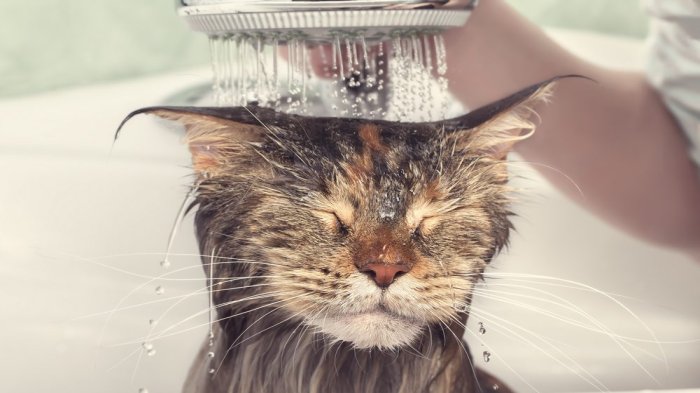
Why Do Cats Need Baths?
Most cats do not require regular bathing since they can clean themselves well. However, there are times when washing your cat is required or helpful. Some of these scenarios include:
- Your cat has become entangled in anything sticky, filthy, or stinky, such as oil, mud, or rubbish.
- Your cat suffers from a medical problem that necessitates the use of a particular shampoo, such as ringworm, fleas, or allergies.
- Your cat has long or thick fur that often becomes matted or knotted.
- Your cat is overweight or aged and is unable to groom itself adequately.
- Your cat has a foul odor that is not removed by routine grooming.
Giving your cat a bath will help remove any potentially dangerous materials from their skin and fur, guard against parasites and diseases, enhance their comfort and look, and lessen dander and shedding.
Why Do Cats Need Bathsfactors That Affect the Bathing Frequency of Cats?
The question of how often to give your cat a wash has no clear-cut solution. It is dependent upon several things, including:
- The breed and coat type of your cat. Certain breeds, like Himalayans and Persians, have long, thick hair that has to be brushed and bathed more frequently. Certain breeds, like the Sphynx and Cornish Rex, may require washing to get rid of extra oil from their skin because they have little to no fur.
- Your cat’s surroundings and way of life. Whereas outdoor cats could come into contact with dust, pollen, dirt, and other pollutants, indoor cats often maintain a cleaner environment. However, smoking, home chemicals, and allergies can also be present for indoor cats, which can negatively impact the health of their skin and coat.
- The tolerance and particular preferences of your cat. Certain cats love the water and don’t care to get wet. Others detest water and would do anything than take a bath. Respecting your cat’s individuality and temperament is important, so don’t force them to take a bath if they’re really anxious or afraid.
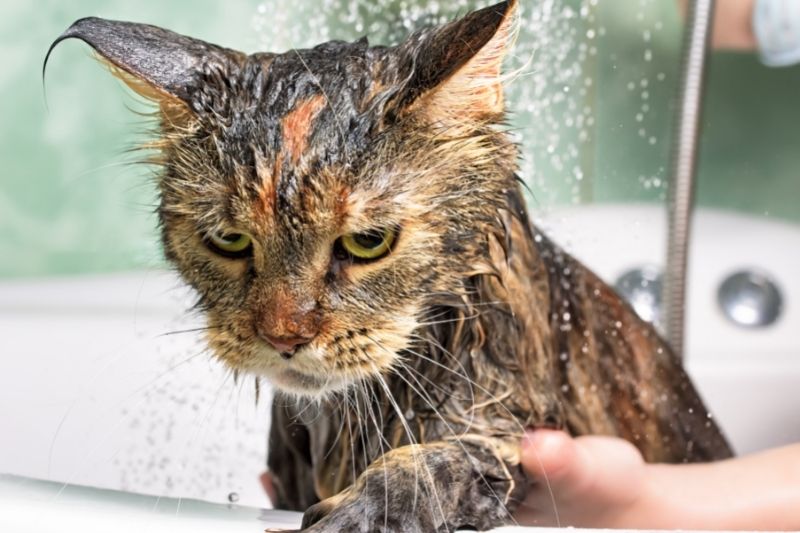
How to Bathe Your Cat Without Stress
Giving a cat a bath may be difficult for the animal as well as the owner. Because they often dislike the water, cats may try to bite, scratch, or flee. Here are some suggestions to help both parties enjoy bath time less stressfully:
- Prior to taking a bath, trim your cat’s claws. This will lessen the harm they can do in the event that they attempt to claw the tub or you.
- Tidy up your kitty before taking a bath. This will get rid of any mats and stray fur that might plug the drain or make washing your cat more difficult.
- Make use of a shampoo that is safe for cats and kind to their eyes and skin. Human shampoo and soap might dry up your cat’s coat, so avoid using them.
- Make the bathroom ready ahead of time. Place a folded towel or rubber mat at the bottom of the tub for traction after adding three to four inches of warm (not hot or cold) water. To stop water from going inside your cat’s ears, you may also place some cotton balls inside of them.
- If you can, have an assistant. Bathing your cat in the company of someone who can keep them steady while you wash them may be simpler.
- Rather than soaking your cat with water, gently pour water over them. You may moisten your cat’s body gradually starting from the neck down using a cup, pitcher, or handheld sprayer. Don’t touch their ears, eyes, or face.
- Gently rub the shampoo into your cat’s fur.
Benefits of Regular Grooming for Cats
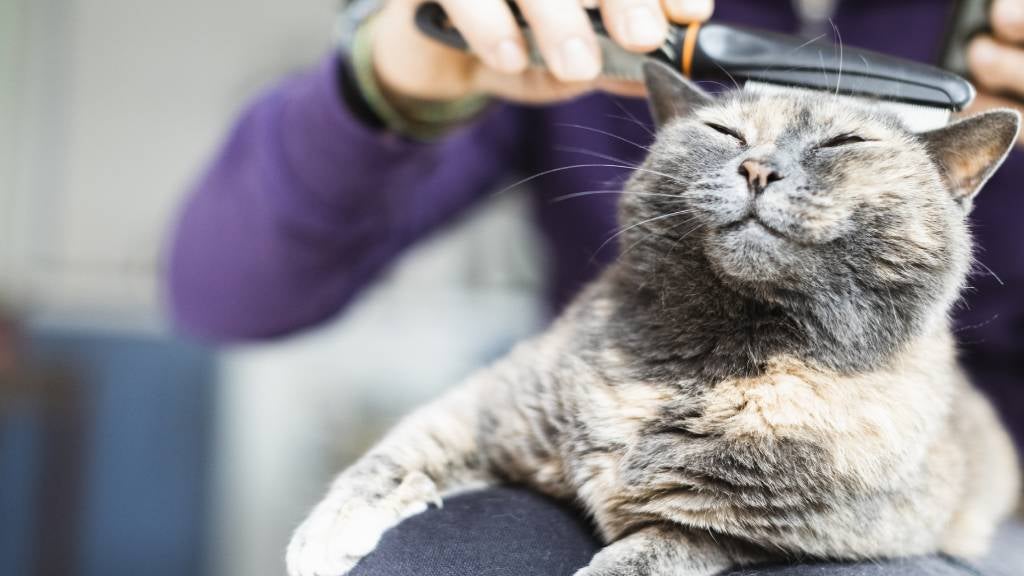
There are other ways to keep your cat clean and healthy than giving them a bath. The health of your cat also depends on regular grooming. Brushing, combing, clipping, and cleaning your cat’s fur, nails, ears, eyes, and teeth are all part of grooming. Among the advantages of consistent grooming are:
- It avoids tangles and mats that might lead to infections, discomfort, or skin issues.
- It lessens shedding and dander, which in people can aggravate allergies or asthma.
- It disperses natural oils that keep your cat’s skin and coat smooth and glossy while also promoting blood circulation.
- It gets rid of parasites, filth, and debris that might be harmful to your cat’s health.
- It enables you to examine your cat’s physique for any indications of disease or damage.
- It improves your relationship with your cat by fostering physical touch and attentiveness.
Your cat should be groomed once a week at the very least, or more frequently if their fur is thick or long. To groom your cat, you can use a brush, comb, nail clipper, cotton swab, wet towel, and toothbrush. If your cat has any special grooming requirements or suggestions, you should also speak with your veterinarian.
Common Mistakes to Avoid When Bathing Cats
Cleaning your cat might be challenging, but there are a few typical mistakes that owners make that can help make the process go more smoothly. When giving cats a wash, keep in mind the following common mistakes:
- Giving your cat too many or too few baths. The health of your cat’s skin and coat may be harmed by either extreme. Considering the breed, way of life, and condition of your cat, choose the ideal balance.
- Giving your cat a bath while they’re upset or under stress. They will only become more afraid and reluctant to take baths in the future as a result of this. Pick a moment when your cat is at ease and content, such just after dinner or a play session.
- Giving a cold or hot water bath to your cat. Your cat will feel uncomfortable, and burns or hypothermia might result from this. Make use of warm water that is just warm enough to touch.
- Giving your cat a bath in a bucket or sink. Your cat will feel constricted and confined as a result of this.
- Make use of a bathtub or a sizable plastic container that allows your feline sufficient room to walk about in.
- Giving your cat a wash without tying them up. Your cat will attempt to flee or attack you while you’re taking a bath as a result. Tie your cat up using a towel, collar, or harness to provide solid yet gentle support.
- Not giving your cat a thorough rinse after bathing them. This may irritate or poison your cat if soap residue is left on their hair. Give your pet a good rinse.
- It varies. Since most cats can keep themselves sufficiently clean, they rarely need to be bathed. Nonetheless, there are several circumstances in which giving your cat a bath might be advantageous or essential. The following are some justifications for thinking about giving your cat a bath:
- Your cat has come into contact with something greasy, filthy, or offensive, such mud, oil, or trash. You don’t want any dangerous materials to go into your cat’s mouth or get all over your house.
- Your cat suffers from a medical issue (ringworm, fleas, allergies) that calls for washing with a specific shampoo. The optimum products and frequency for your cat’s condition might be recommended by your veterinarian.
- Your cat can’t adequately groom itself since it’s overweight or old1. Your cat’s range of motion and capacity to access particular body areas may be restricted by excess weight or joint discomfort. You may assist them by gently bathing them or wiping them down with a moist cloth.
- The unpleasant smell coming from your cat is not gone even after frequent brushing1. This may point to an underlying medical condition, such as an infection of the ears, a dental ailment, or an issue with the anal glands. For diagnosis and treatment, speak with your veterinarian.
FAQS
How often should I bathe my cat?
The frequency of cat baths depends on your cat’s individual needs. Generally, most cats do not need regular baths, as they groom themselves. However, if your cat gets dirty or has a skin condition, consult your vet for specific bathing recommendations.
Can I use regular human shampoo on my cat?
No, it’s not recommended. Human shampoos can be too harsh for a cat’s sensitive skin and might cause irritation. Always use a cat-specific or vet-recommended shampoo that is formulated for feline use.
What should I do if my cat hates water?
Most cats dislike water, so bathing can be a challenge. Try to make the experience as calm as Cpossible, use lukewarm water, and talk to your vet about tips. If your cat is extremely stressed, consult a professional groomer or vet for assistance.
Are there specific breeds that need more frequent baths?
Some cat breeds, like Sphynx or Rex breeds, may need more frequent baths due to their lack of fur or specific coat types. Consult with a breeder or vet to determine the bathing needs of your specific breed.
Conclusion
Bathing your cat is not always necessary, but it can be beneficial for their health and hygiene in some cases. However, bathing your cat can also be stressful for both of you if not done correctly. To make bath time easier and more enjoyable for both parties, you should follow some tips and avoid some mistakes that we have discussed in this article. Remember to always consult your vet before bathing your cat if you have any doubts or concerns.
Originally posted on May 11, 2026 @ 1:56 pm