Because of their peculiar habits and mysterious behaviours, cats have fascinated humans for centuries.
They are elegant and mysterious creatures that live in our homes. One such fascinating behaviour that has piqued the interest of cat enthusiasts all over the world is “kneading.
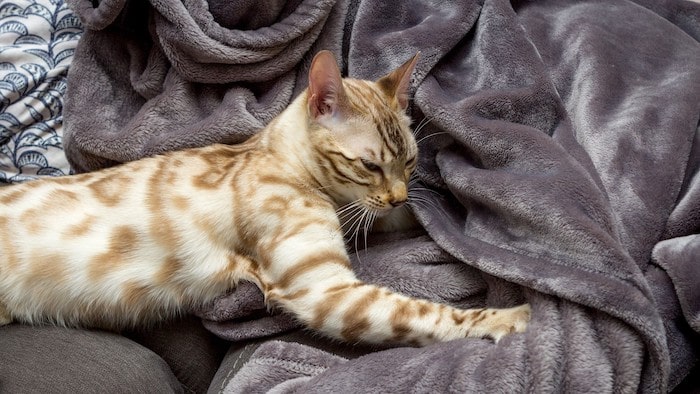
If you’ve ever watched a cat rhythmically apply pressure with its paws to a soft object, you may be wondering why they do it.
What causes this apparently innate behaviour, which can vary from soft taps to vigorous massages?
What is Kneading and How Do Cats Do It?
Cats use their front paws to make a rhythmic motion called kneading, which alternates between the left and right paw.
Typically, when they push down, their claws extend, and when they pull back, they retract. Some cats who knead also purr, drool, or make vocalisations.
Depending on the cat’s preferences and mood, kneading may take a few seconds to several minutes.
Cats have an innate habit of kneading that they inherited from their ancestors. It is thought that before going to bed or resting, wild cats knead to make a cosy nest or bed. Their paw scent glands may be used to mark their territory, and kneading may aid in this process.
The Origins of Kneading Behavior in Cats
The most widely recognized explanation for cats’ propensity to knead is that it dates back to their early years as kittens.
Kittens knead around their mother’s nipples to encourage milk production when they are nursing. This behaviour strengthens the link between a mother and her children and is linked to feelings of security, warmth, and comfort.
Cats may keep kneading as they get older as a means of showing their affection, happiness, or contentment.
As cats expose their weak belly and claws to someone or something they like, kneading may also be a sign of trust. When they’re nervous or stressed, some cats like to knead themselves to feel better or to get attention.
The Benefits of Kneading for Cats and Their Owners
Cats and their owners can benefit from kneading in a number of ways. Kneading can relieve stress and promote relaxation in cats.
It can also maintain the flexibility and health of their joints and muscles. Felines can express their love, gratitude, or requests for things by kneading, which is another way in which they can communicate.
Kneading can be entertaining and joyful for owners. Additionally, it can help them understand their furry friends’ emotions and strengthen their bond with them.
Additionally beneficial to human health are kneading ability to lower blood pressure, reduce stress, and elevate mood.
The Drawbacks of Kneading and How to Manage Them
Owners may find kneading unpleasant, particularly if their cat has sharp claws or kneads in delicate spots. Kneading may result in skin infections, bruising, or scrapes. Additionally, it can harm clothing, bedding, or furniture that has tears or holes in it.
- Some measures owners might use to prevent or lessen the detrimental effects of kneading are as follows:
- The cat’s nails should be kept short or blunted with nail caps.
- Give the cat something else to knead on, like toys, mats, or scratching posts.
- When the cat begins to knead in undesirable areas, divert their attention with toys, rewards, or playfulness.
- Reward your cat with praise when it kneads in the proper spots.
- Never chastise or reprimand
How to Encourage or Discourage Kneading in Your Cat
While some cat owners would wish to dissuade their feline from kneading more frequently, others might want to encourage it. You can experiment with some of the following advice, based on your preferences:
- Make sure your cat is at ease and secure in your house before encouraging kneading. Give them lots of comfortable spots to rest and sleep. When they are feeling particularly affectionate and attentive, show them your love. Additionally, you can encourage the activity by giving their paws a light massage or stroke while they are kneading.
- Make sure your cat has adequate activity and stimulation during their daily routine to prevent kneading. To keep them occupied and entertained, give them interactive games, puzzles, or toys. You may also use your to set restrictions and constraints.
Cats kneading is a typical and natural habit with a variety of consequences and reasons. You and your feline friend can have a better relationship if you know why cats knead and how to handle it.
FAQS
Do all cats knead?
Yes, most cats knead, although the intensity and frequency can vary. Kittens are more prone to kneading, but adult cats, too, engage in this behaviour. Some cats may knead regularly, especially when they are relaxed or content, while others do it occasionally
Why do cats knead?
From their early years as kittens, cats have kneaded as a natural tendency. They are essentially rubbing with their paws when they knead; this is a behaviour they picked up when nursing. Kittens rub against their mother’s stomach to get the milk flowing. When cats get older, they frequently find that kneading brings back pleasant memories of their early bonding experiences.
Is kneading a sign of happiness in cats?
Yes, kneading can indicate that a cat is feeling content, relaxed, and happy. Cats often knead when they are in a comfortable and safe environment. It’s a way for them to express contentment and well-being.
Can kneading be a sign of pain or discomfort?
In some cases, yes. Cats might also knead if they are in pain or feeling unwell, especially if they associate kneading with comfort. If you notice a sudden change in your cat’s kneading behavior or if it seems painful, it’s advisable to consult a veterinarian to rule out any underlying health issues.
Why do cats knead people or soft objects?
Cats knead people, blankets, or soft surfaces because the texture and feeling remind them of their mother’s belly. It’s a comforting and soothing behaviour for them. Kneading also helps them mark their territory by releasing scent glands in their paws.
Conclusion
In the world of feline behaviour, cat kneading stands as a gentle reminder of the intricate connection between domesticated cats and their wild ancestors. This seemingly simple act, where a cat rhythmically presses its paws into a soft surface, carries with it a tapestry of history, instinct, and emotional depth.
Our exploration into the reasons behind why cats knead has revealed a fascinating narrative. From the tender moments of kittenhood, where kneading serves a crucial purpose in ensuring nourishment, to the adult cat’s expression of contentment and security, this behaviour speaks volumes about their evolutionary journey and the comfort they find in the human environment.
Originally posted on May 11, 2026 @ 1:56 pm